Across hospitals, financial institutions, and government offices, small server rooms sustain essential operations around the clock.
Many of these spaces still rely on comfort cooling, systems which is designed for people, not IT equipment generating continuous heat.
When cooling fails, trades stall, patient records become inaccessible, and critical public services face disruption.
Dedicated IT cooling delivers precise thermal control, connecting cooling, power, and monitoring to support reliable uptime as workloads grow.
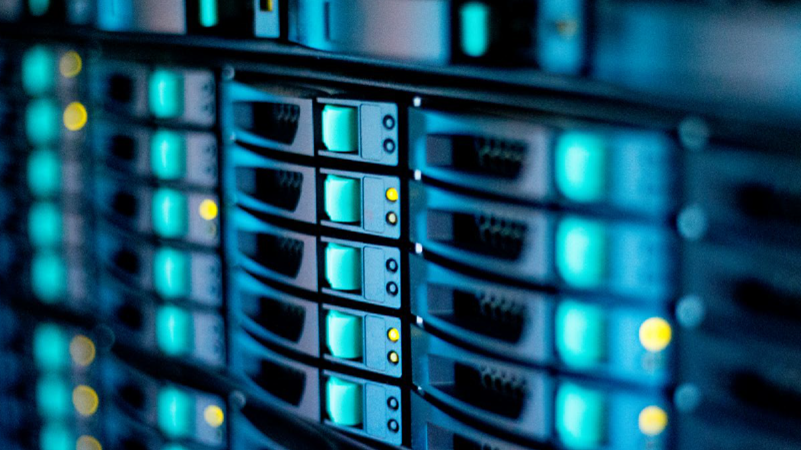
Dedicated IT cooling protects uptime. Comfort cooling stops at human comfort.
Office- or residential-grade air conditioning (AC) are not designed to handle server workloads reliably. The cooling mismatch renders servers vulnerable to hotspots, throttled performance, and downtime.
Dedicated IT cooling closes these gaps. Consistent airflow, intelligent controls, and end-to-end thermal management protect servers and stabilize operations.
| Feature | Dedicated IT cooling | Comfort cooling |
| Airflow capacity |
Proper airflow
Delivers more than 150 cubic feet per minute per kilowatt (CFM/kW) across full rack height. |
Insufficient airflow
Delivers ~100 CFM/kW short of the ~150 CFM/kW servers require. |
| Cooling capacity |
Focused heat removal
90–100% capacity directly cools IT equipment. |
Misaligned cooling type
Only 60–70% of capacity dedicated to IT cooling can use as much as 35% more energy to cool servers. |
| Operational readiness |
Designed for 24/7/365 operation
Industrial-grade compressors withstand constant demand. |
Not designed for 24/7/365 operation
Intermittent-duty components fail under year-round loads. |
| Fault tolerance |
Integrated monitoring and failover
N+1 configurations with real-time alerts protect uptime. |
Limited monitoring and redundancy
Single-point failure with delayed or no incident response. |
Finance: Cooling that safeguards capital reserves
Finance IT systems rely on information to execute strategic decisions. Whether in trading or in banking transactions, uptime is critical to avoid missed opportunities and unnecessary delays.
Source: Vertiv
Financial firms operate on digital platforms, utilizing tools such as real-time trading, payment processing, account management, loan origination, and risk analytics. Finance servers process transactions, enable connectivity to payment networks, stock exchange, and other financial institutions with minimal latency.
The impact of finance interruptions
When finance IT systems slow, trades miss execution windows, payments stall, and downtime delays transactions.

Every second counts
Trading systems and payment rails operate in milliseconds. Thermal-driven slowdowns don't wait for business hours.

Detection delay amplifies damage
Without proactive monitoring, thermal incidents grow before anyone knows they've started.

Resolution takes hours
Recovery from a server room thermal event typically requires stabilization, reconciliation, and validation before services resume.

The cost extends beyond hardware
Compliance exposure, settlement discrepancies, and customer trust erosion follow every prolonged disruption.
Advancing thermal systems for financial uptime
Thermal management must evolve from a single-focus task into a comprehensive strategy. Network closets and server rooms with comfort cooling systems cannot be used in the thermal chain since office-grade AC is not designed to run 24/7.

Design for density
Use dedicated IT cooling that targets the heat source to prevent overheating of finance servers

Maximize efficiency
Workloads spike unpredictably. Real-time thermal controls and unified monitoring help avoid stranded capacity and improve uptime.

Monitor for resilience
Downtime in financial services doesn't pause for recovery. Use predictive diagnostics and automated alerts to catch thermal issues before they reach equipment.
Government: Cooling that enables uninterrupted governance
Government IT systems support essential public services and national operations. From managing citizen data to coordinating emergency response, uptime is critical to support continuity and public trust.
Government agencies rely on digital platforms to deliver services such as identity management, benefits distribution, tax processing, law enforcement coordination, and geographic information systems (GIS). These systems enable secure data exchange across departments, support real-time decision-making, and maintain connectivity with national databases and external partners—all with strict latency and security requirements.
Thermal risk and its impact on government service continuity
When those systems underperform, benefits don't process, identity checks fail, and citizens waiting on essential services have no fallback.

Citizens feel it first
Delayed portals, inaccessible records, and longer
wait times surface quickly when IT systems underperform.

Agency staff absorb the friction
Workflow interruptions and manual workarounds add load to every team when servers slow down.

IT teams carry the recovery
Unplanned thermal incidents pull resources from improvement work into stabilization and troubleshooting.
Strengthening thermal resilience for uptime
Government agencies cannot scale digital services without a solid IT foundation, and that starts with effective cooling. Even modest server rooms using comfort cooling can become points of failure, creating ripple effects that impact essential public operations.

Streamline government operations
Automate data entry, reduce administrative overhead, and extend the value of existing systems with compact, energy-efficient designs.

Accelerate public innovation
Enable faster deployment in areas like public health research with pre-configured, low-risk infrastructure.

Protect public trust
Use proven infrastructure solutions with full-service support to monitor operational health and detect outages early.

Design for density
Support scalable policy simulation and infrastructure upgrades with interoperable, upgradable systems.
Healthcare: Cooling that keeps care connected
Healthcare runs on data—and data runs through IT. Every scan, record, and clinical decision depends on systems that cannot afford a pause.
Source: Vertiv
Server rooms route imaging to radiologists, sync medications across departments, and alert nurses to critical changes in patient vitals. Workstations across the hospital query patient histories in real time while labs upload results and monitors transmit vitals.
Rising demands on hospital IT uptime
When those systems go down, imaging doesn't reach radiologists, medication records go dark, and doctors lose the real-time visibility they're making decisions on.

Every patient record is live data
EHR systems are now standard across hospitals, clinics, and specialist networks. Every system query depends on servers that stay on.

Imaging generates constant load
Diagnostic imaging produces large data volumes per scan. Routing, storing, and retrieving that data is a continuous IT workload.

Lab results cannot queue
When server rooms overheat, lab result routing slows and clinical staff revert to manual processes—adding risk at the point of care.

Compliance runs on availability
HIPAA in the U.S. and GDPR in Europe set strict requirements for health data availability. Thermal incidents that cause downtime create direct compliance exposure.
Strengthening the thermal foundation for continuous care
Government agencies cannot scale digital services without a solid IT foundation, and that starts with effective cooling. Even modest server rooms using comfort cooling can become points of failure, creating ripple effects that impact essential public operations.

Strengthen the thermal chain
Keep airflow, cooling units, and racks in sync to prevent hotspots and imbalance.
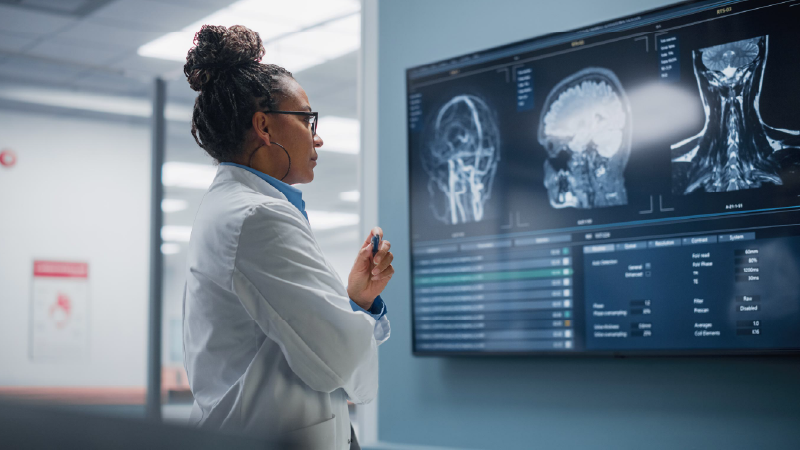
Maintain IT uptime
Implement dedicated IT cooling to maintain safe temperatures and protect server uptime.

Optimize visibility and control
Track airflow and temperature in real time to detect and fix issues early.
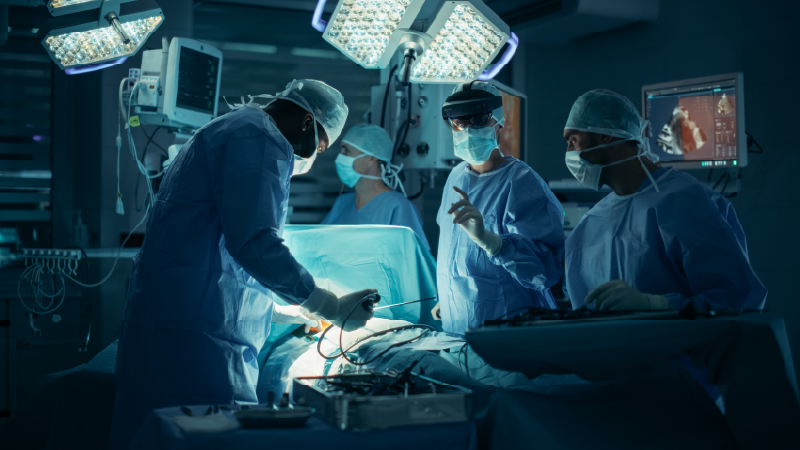
Build for scalable growth
Design reliable cooling that can scale with digital health workloads and new demands.
Vertiv™ server room cooling solutions
IT uptime starts with heat under control. Vertiv keeps network closets and small server rooms stable today, while building the foundation for a connected and reliable thermal chain. Scalable systems and dependable support maintain efficiency and readiness for tomorrow’s digital growth.
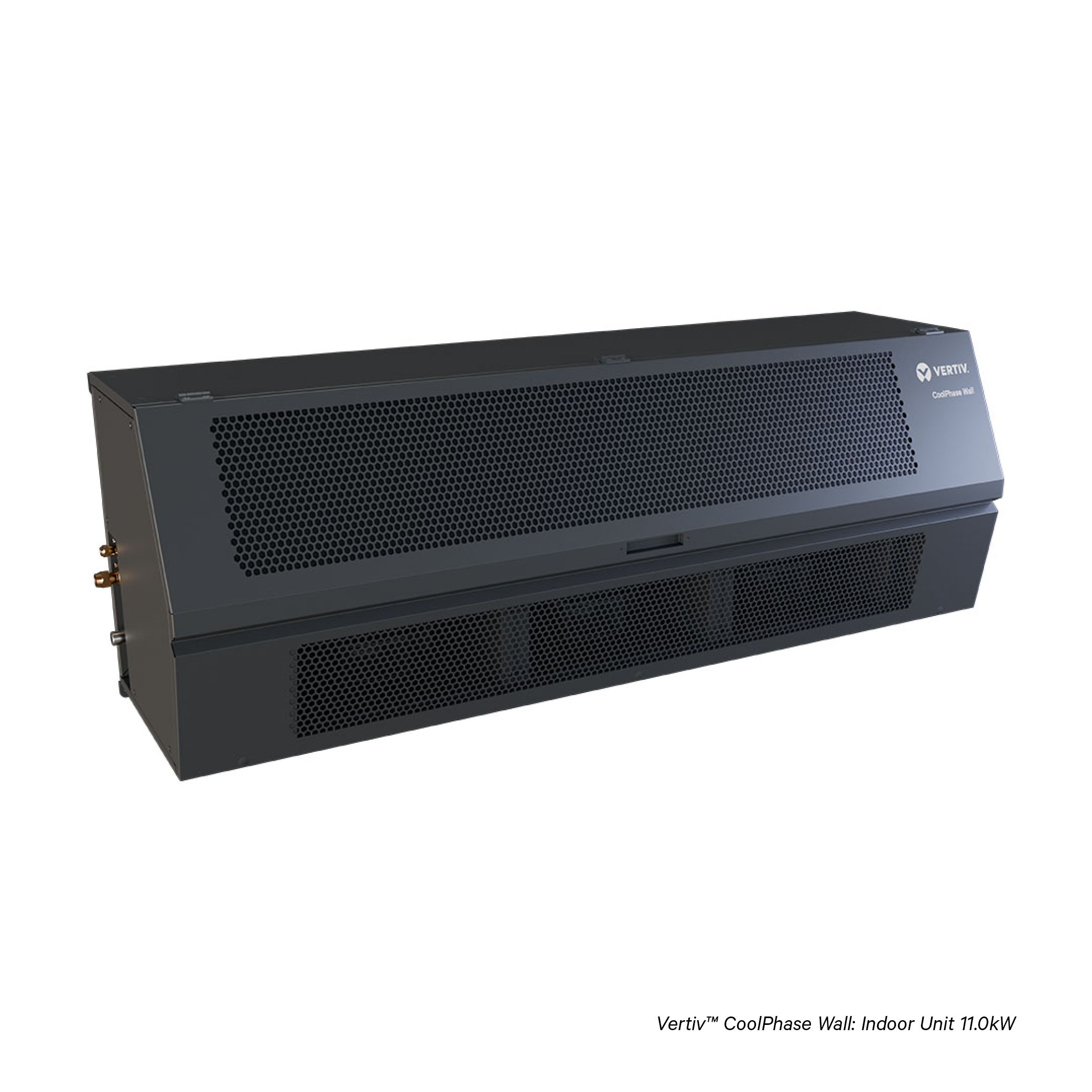
A wall-mount split system cooling solution for small technical rooms, server rooms, and edge computing applications.
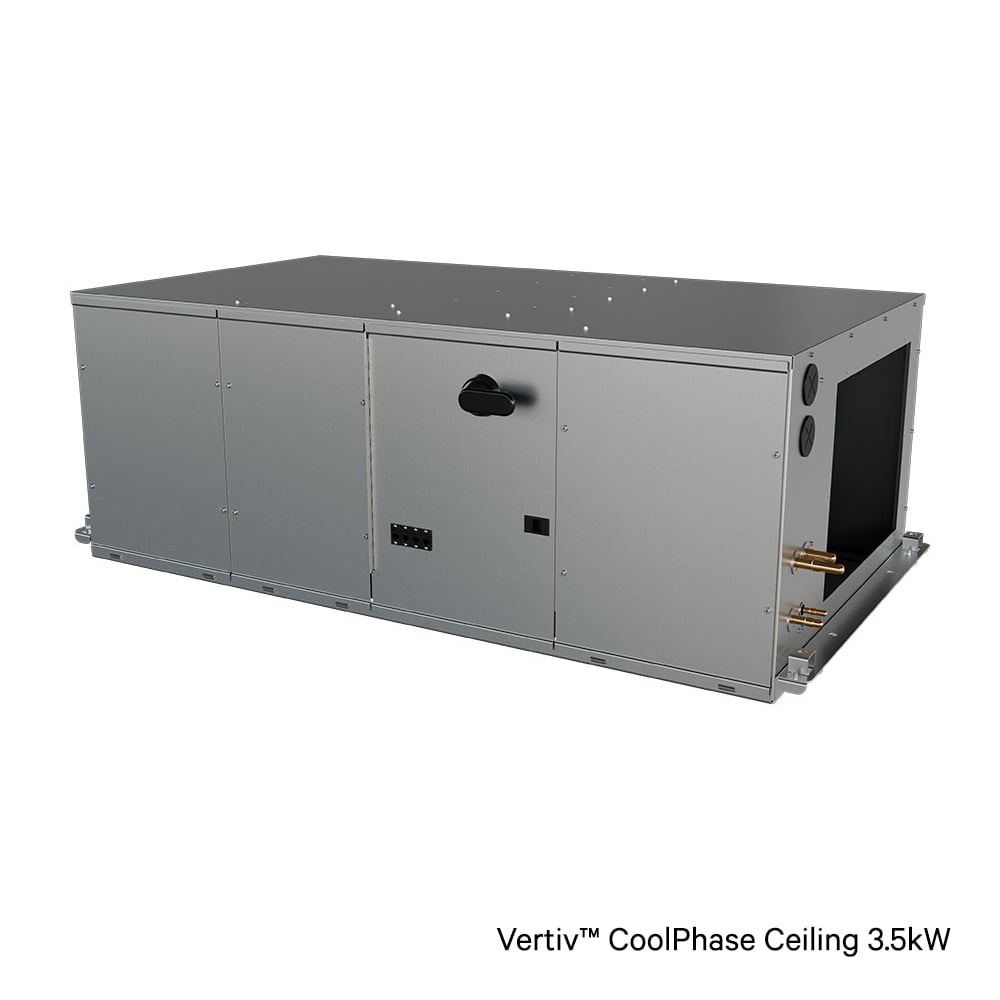
Provides dedicated cooling for IT equipment without taking up valuable floor space and designed specifically for edge computing and small IT spaces, offering high efficiency cooling.
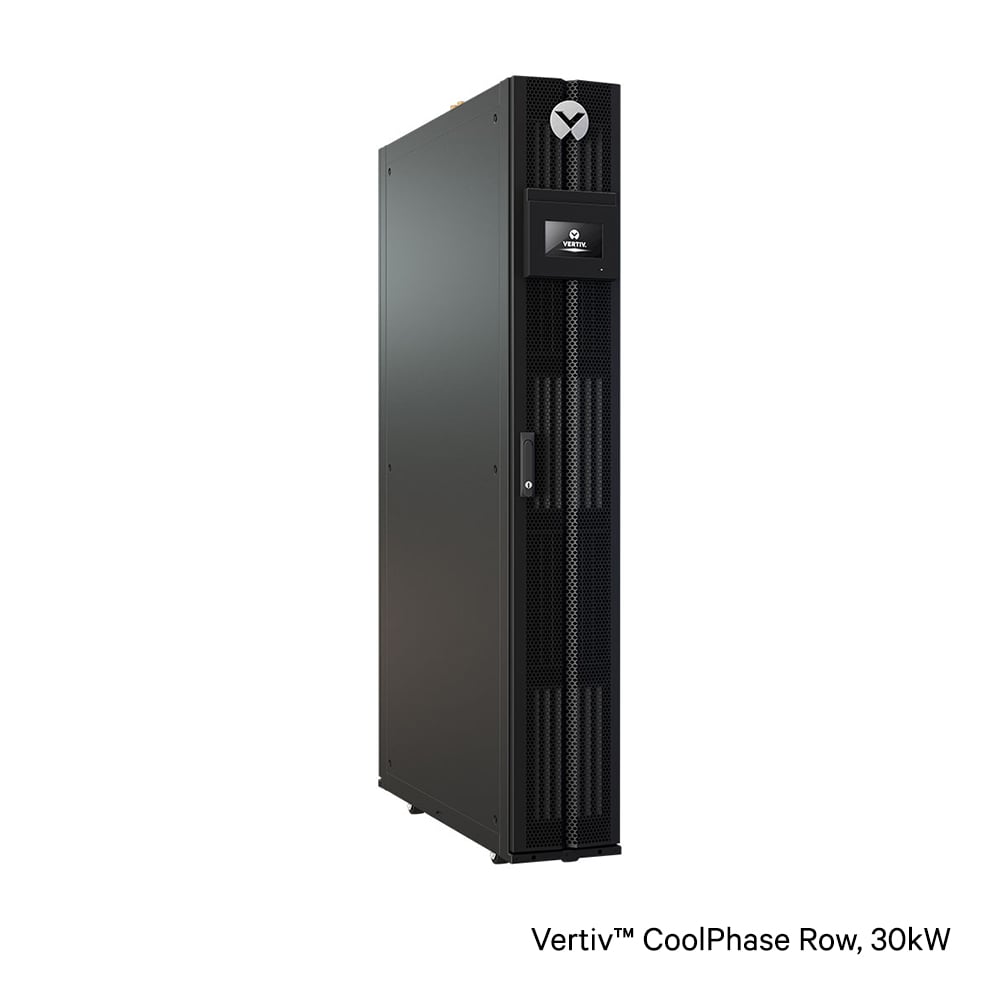
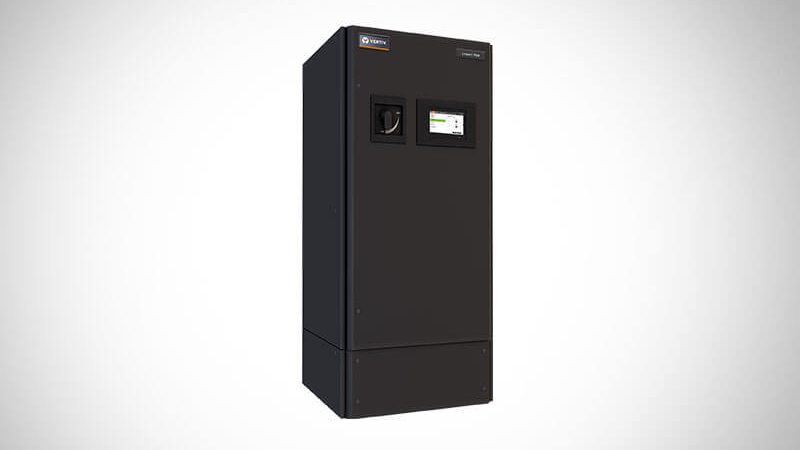
A high‑efficiency, row‑based 30-40 kW cooling solution for high‑density data centers. It is integrated within a row of racks, delivering precise IT cooling while optimizing floor space.