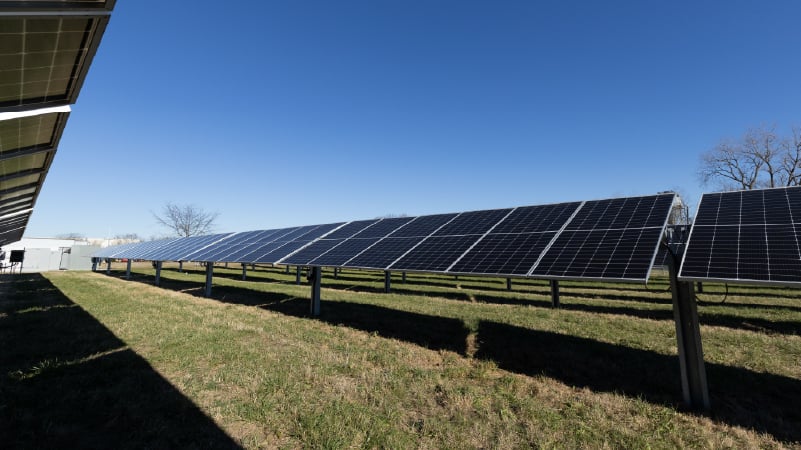

Hydrogen fuel cells offer data centers a zero on-site emissions backup power solution that meets both AI-driven demands and evolving environmental mandates.
Artificial intelligence (AI) workloads are surging, environmental regulations are changing, and the continued use of traditional diesel backup generators is increasingly problematic and complex. Management firm Goldman Sachs projects a staggering 165% increase in data center power demand by 2030, mainly driven by AI applications. This unprecedented growth, stricter emissions regulations, and corporate environmental commitments are practically demanding innovative and responsible backup power solutions.
Proton exchange membrane (PEM) fuel cells represent an alternative to diesel generators: it is an alternative approach to backup power that reduces on-site carbon emissions while maintaining reliability. Looking at their environmental profiles, diesel generators emit various pollutants and greenhouse gases. Compare this to fuel cells, which produce only water vapor as a byproduct. This zero on-site emissions characteristic supports both operational efficiency and environmental responsibility—and it's becoming a crucial advantage in regions where air quality permits are increasingly difficult to obtain for diesel systems.
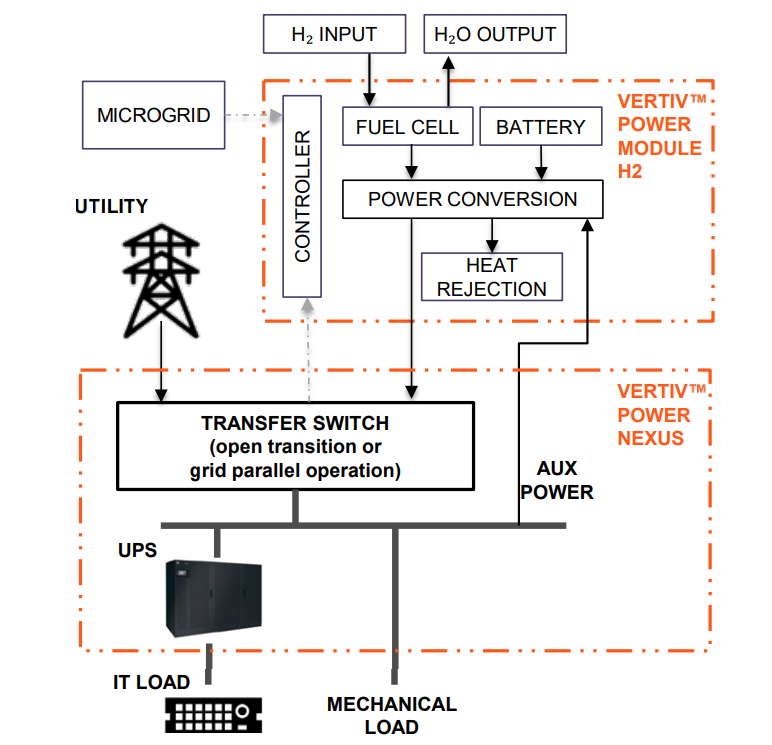
Figure 1. PEM fuel cell backup system block diagram. Source: Vertiv
But environmental benefits are just the beginning. As an operational advantage, PEM fuel cells can reach full power within minutes, operate quietly, and handle frequent start-stop cycles without degradation. These characteristics make them particularly well-suited for modern data centers, especially for running AI workloads that can cause sudden load fluctuations.
Hydrogen infrastructure challenges
The hydrogen infrastructure is still developing, and costs remain higher than traditional energy solutions. Storage and delivery logistics require careful planning, and the technology's footprint is currently larger than diesel alternatives. But over time, these are proving to be growing pains than permanent obstacles.
The industry is already addressing these challenges. Hydrogen production is scaling up, with both green and blue hydrogen facilities planned across Europe and North America. The modular nature of fuel cell systems allows for incremental deployment, helping organizations manage costs while building experience with the technology.
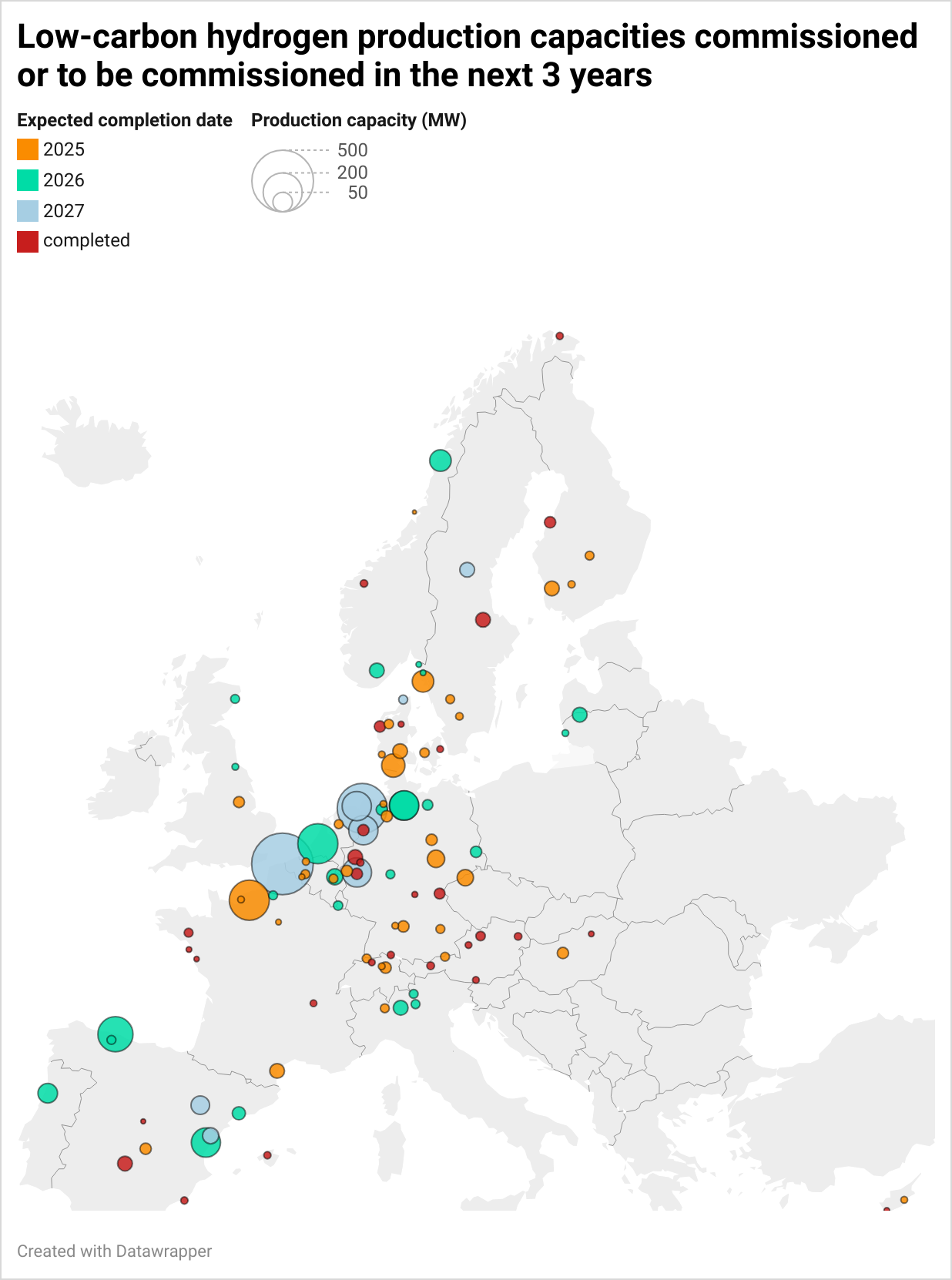
Figure 2. Hydrogen production capacities in Europe. Source: Ballard Power Systems.
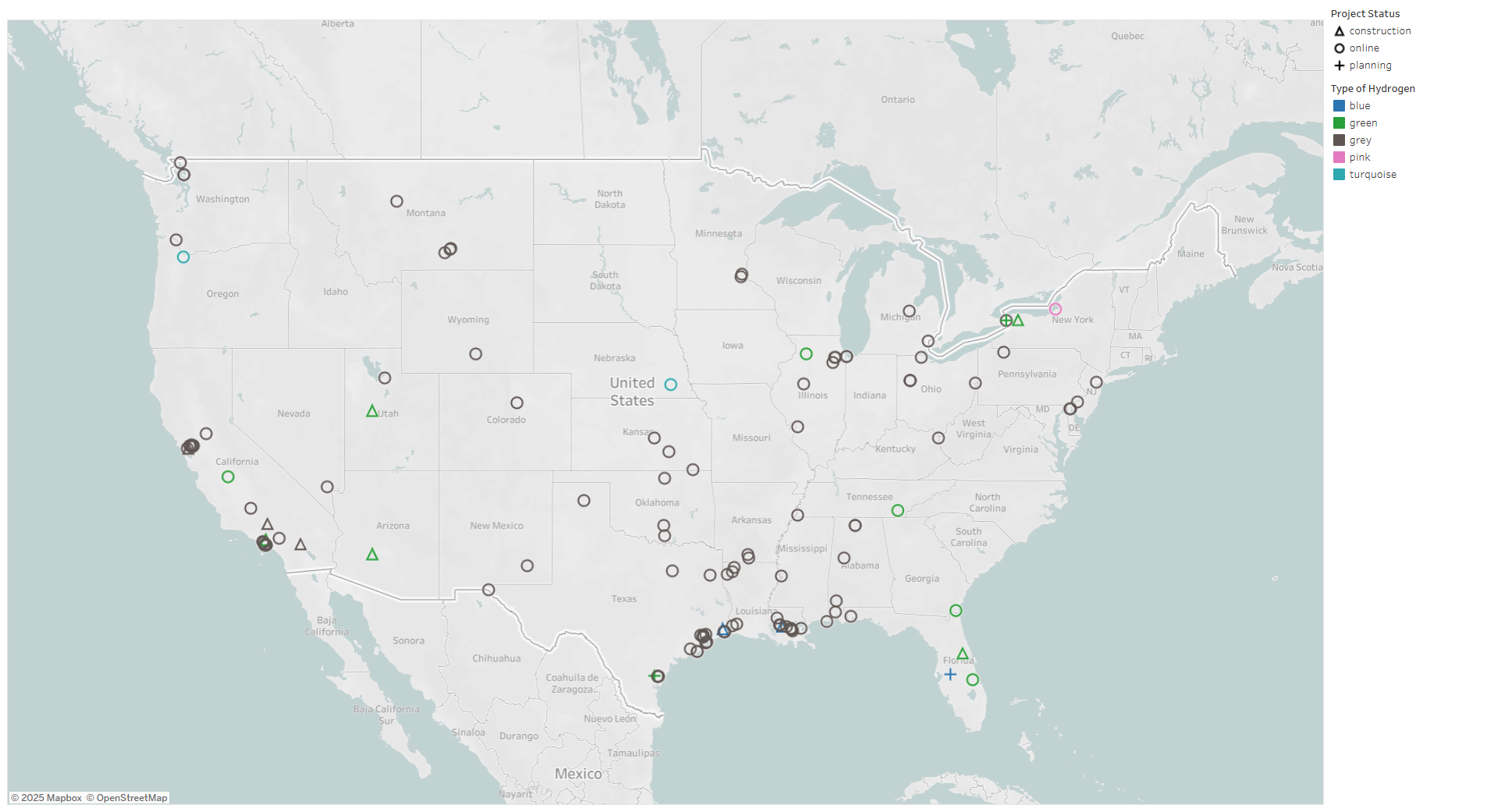
Figure 3. Hydrogen production capacities in the U.S. Source: Clean Energy Group.
What's particularly interesting is the potential for fuel cells to serve multiple purposes. Beyond backup power, these systems can provide grid support services, participate in demand response programs, and help facilities meet their 24/7 zero carbon energy goals. This multi-use capability could significantly improve the business case for adoption.
For data center operators, the decision to implement hydrogen fuel cells should be based on several key factors:
- Local air quality regulations and permitting requirements
- Noise restrictions
- Grid stability and utility connection constraints
- Hydrogen availability and cost in the area
- Available space for system installation
- Long-term environmental responsibility commitment and goals
Looking ahead
Hydrogen fuel cells are expected to play an increasingly important role in furthering developments for critical digital infrastructure, particularly for modern data center operations. The technology aligns with the industry's trajectory toward greater environmental consciousness and reliability. The advantages of fuel cells will become even more pronounced as AI workloads continue to grow, and environmental mandates evolve.
What will success look like? It will require collaboration across the industry. Data center operators, hydrogen suppliers, equipment manufacturers, and regulators must collaborate to develop standards, streamline permitting processes, and build the necessary infrastructure.
Success also depends on having a clear use case for providing flexibility services to the electrical grid, such as peak shaving or demand response. A sufficiently resilient local hydrogen supply chain is essential for reliability and cost control, and adequate infrastructure space and well-defined regulatory safety requirements facilitate smooth implementation and compliance. The ideal conditions for an initial PEM fuel cell deployment include sites where zero on-site emissions are either mandated or strongly preferred, making hydrogen a compelling alternative to conventional backup systems.
Learn why the industry is embracing this innovation as one of the leading responses to power demands and environmental goals.