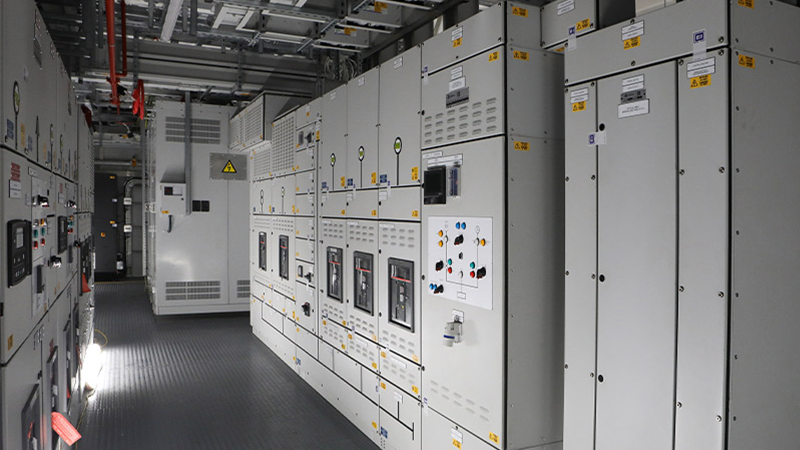

Critical facilities, whether data centers, hospitals, industrial sites, or research institutions, are under growing pressure to support larger loads, tighter uptime requirements, and more flexible scaling. As these infrastructures evolve, many organizations are turning to block redundant architecture that balances redundancy with simplicity.
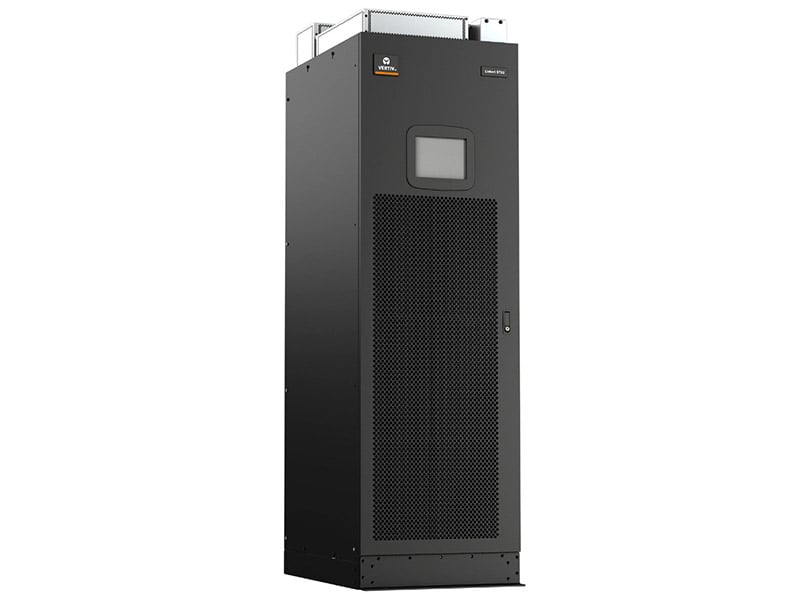
At the center of these architectures there is Vertiv™ Liebert® STS2, a static transfer switch purpose-built for high-availability dual-bus power systems.
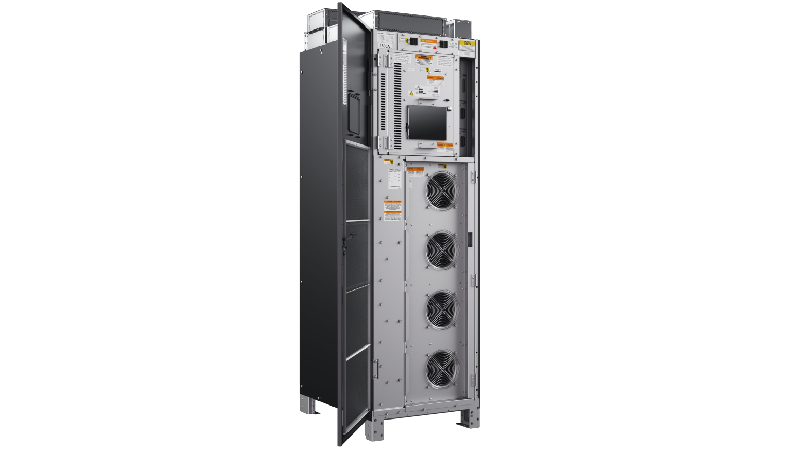
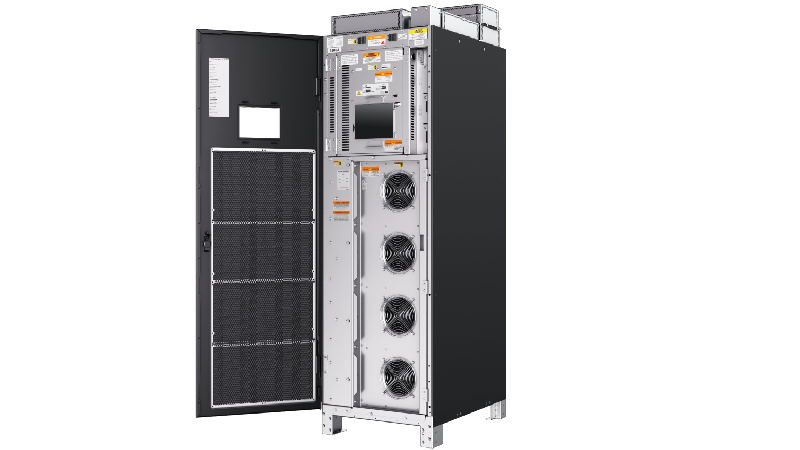
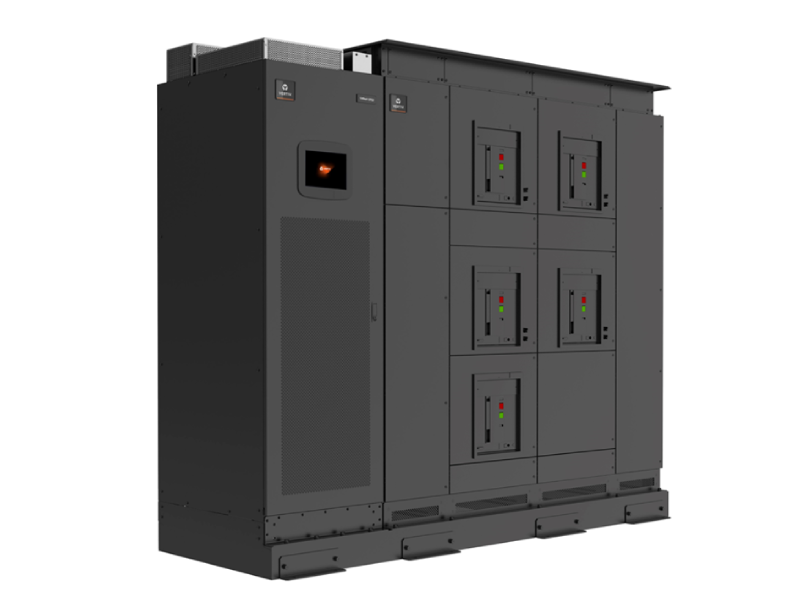
Integrating Vertiv™ Switchgear with the Vertiv Liebert STS2 strengthens power architectures by improving redundancy and operational flexibility. As a static transfer switch engineered for high-availability dual-bus power systems, the Vertiv Liebert STS2 integrates seamlessly with switchgear to support more scalable electrical designs and simplify power distribution in critical applications.
1. Strengthening redundancy through dual-bus coordination
The Vertiv Liebert® STS2 is designed to deliver fast, clean transfers between two independent power sources. When embedded within switchgear lineups, it becomes an integral part of a broader redundancy strategy.
The combined system allows operators in critical facilities like data centers, hospitals, and industrial plants to:
- maintain independent A and B sources
- support automatic load transfer during source disturbances
- expand redundant power paths as facilities grow
The switchgear manages protection, isolation, and distribution, while the static transfer switch manages the seamless, automatic source-to-source switching. This alignment elevates redundancy without adding architectural complexity.
2. Simplifying electrical architectures
Many organizations are modernizing legacy power rooms or consolidating complex electrical layouts. Vertiv Liebert STS2 and switchgear integration helps achieve this by streamlining distribution into clean, intuitive topologies.
Key design attributes of the Vertiv Liebert STS2 enable simplified architectures:
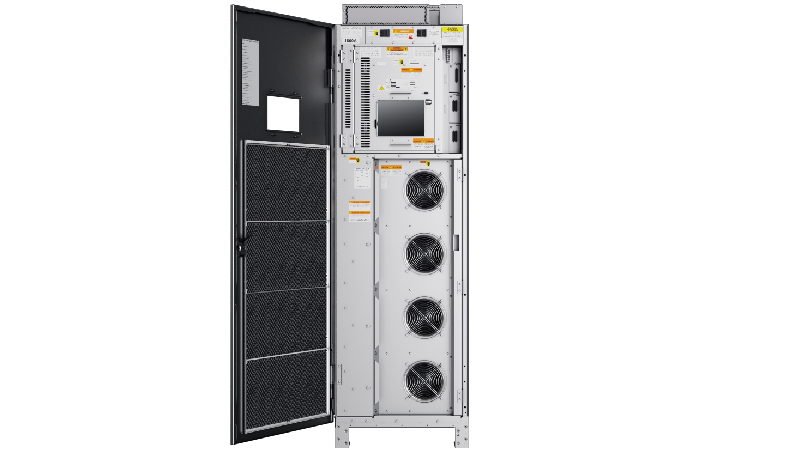
- Front-accessible design for easy service
- Optimized footprint that reduces power-room congestion
- Standardized, repeatable layouts across multiple sites or rooms
- Straightforward coordination with upstream protection and breakers
This pairing creates organized power pathways that are easier to design, document, and expand—ideal for deployments with ongoing modernization or phased buildouts.
3. Improving maintainability in mission-critical infrastructure
Maintainability is a core concern in all the mission-critical applications where STS are used: from large colocation and data center environments to healthcare, research, and industrial sites, where service operations must be efficient and downtime minimized.
The Vertiv Liebert STS2 contributes directly to maintainability through:
- Touchscreen HMI, simplifying diagnostics and configuration
- Clear physical and logical separation of sources A and B, supporting safer and more intuitive service operations
When housed within a switchgear, the advantages of maintainability can be multiplied by Form 4B segregation: an additional design feature that offers technicians a centralized, well-organized layout where circuits, protection, and transfer functions are all accessible and logically arranged.
This setup helps reduce maintenance time, improve safety, and—when combined with digital analytics solutions such as Vertiv™ Next Predict —enhances predictive servicing strategies by enabling earlier detection of anomalies and more proactive maintenance planning.
Where this integration delivers the most value
This combined approach is particularly impactful in:
Data centers
- Dual-bus topologies
- High-density racks and distributed redundancy
- Modular and phased deployment programs
Healthcare facilities
- Critical imaging loads (MRI, CT, PET)
- Surgical and life-safety systems
- Sites requiring clear separation of power sources
Industrial and research sites
- Sensitive automation pathways
- Test labs and clean-room equipment
- Mixed-load infrastructure with evolving power needs
Across all these sectors, Vertiv Liebert STS2 and switchgear integration enables a balance of redundancy, simplicity, and maintainability that is hard to achieve with a standalone static transfer switch or fragmented electrical distributions.
Conclusion
Integrating the Vertiv™ Liebert® STS2 with a switchgear is more than a hardware combination, it is a strategic approach to building power architectures that are redundant, simplified, and easy to maintain.
For data centers, healthcare institutions, and industrial facilities where power continuity and operational efficiency are non-negotiable, this integration creates a streamlined, scalable foundation prepared for the demands of modern critical infrastructure.