
Uninterruptible Power Supply (UPS) systems are a critical investment for protecting your devices and operations from power disruptions. Whether it’s a data center, a retail point-of-sale (POS) system, or a small business network, a UPS provides the battery backup needed to keep operations running during outages.
However, the longevity of a UPS heavily depends on proper usage and maintenance. Some users unknowingly make mistakes that shorten battery life, leading to premature failures and unexpected downtime. Understanding these common pitfalls can help you extend the lifespan of your UPS battery and keep reliable backup power available when you need it most.
As digital operations become more critical, Uptime Institute Intelligence notes that more than half of recent significant outages cost over $100,000, reinforcing how important it is to have dependable, well-maintained backup power in place to protect critical loads.
To get the most out of your UPS, it’s important to be aware of common mistakes that can reduce battery life. Addressing these issues early can help prevent unexpected failures and keep your backup power system running efficiently.
Key factors that impact UPS battery longevity
UPS batteries, particularly valve-regulated lead-acid (VRLA) batteries, typically last 3 to 5 years, depending on factors like temperature, discharge cycles, and maintenance. Certain practices can shorten this lifespan. Here are five mistakes that can shorten battery life and how to avoid them:
1. Improper installation and placements
Where you position your UPS can have a direct impact on battery health. Heat, dust, moisture, and poor ventilation all contribute to faster battery degradation and can lead to reduced backup time or early failure. UPS units placed near open windows, vents, or in high-humidity areas are more prone to overheating, corrosion, and internal damage over time.
Best practice: Position your UPS in a temperature-controlled, dust-free environment with proper airflow. Keep it away from direct sunlight, moisture, and corrosive fumes. Proper ventilation will help maintain optimal battery performance and longevity. Even small increases in heat can accelerate battery degradation. Battery life can be cut in half for every 10 °C (50 °F) rise above the recommended 25 °C (77 °F) ambient temperature, making placement a key factor in long-term performance.
2. Not replacing the UPS battery proactively
UPS batteries lose capacity over time, and failing to replace them when needed can compromise your system’s ability to provide power during an outage. As batteries age, they become less efficient at holding a charge, increasing the risk of failure at critical moments.
Best practice: Track the age and performance of your UPS battery backup and replace it when it can no longer supply 80% of its rated capacity. Many UPS systems offer indicators or software integration to help monitor runtime and battery health. By proactively replacing the battery before failure, you can maintain consistent backup power and avoid costly downtime.
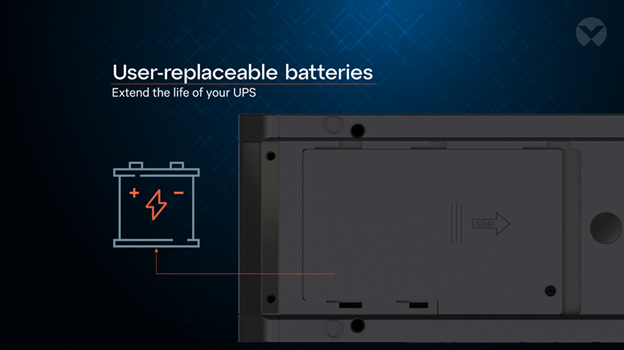
The Vertiv™ PowerUPS 200 Standard, Vertiv™ PowerUPS 200 Essential, and Vertiv™ PowerUPS 200 Premium features user-replaceable batteries to support quick battery replacement and extend the life of your UPS without replacing the entire unit.
3. Overlooking ambient temperature
While several factors affect battery health, temperature is a key factor in long-term battery performance. Even when a UPS is installed correctly, consistent exposure to excessive heat, or in some cases, extreme cold can have a measurable impact on battery performance. High temperatures accelerate the chemical aging process inside the battery, leading to faster capacity loss. Cold environments, on the other hand, reduce battery efficiency and may limit available runtime.
Best practice: Maintain an ambient temperature of 25°C (77°F) for optimal battery performance and delay chemical aging. Temperature should not only be considered at installation, but also monitored over time, especially in locations where seasonal changes, heat-generating equipment, or poor airflow can create fluctuations. Keeping the UPS in a stable, controlled environment helps extend battery life and improve system reliability.
4. Neglecting regular maintenance and monitoring
A common misconception is that “maintenance-free” UPS batteries do not require monitoring. The term simply means batteries don’t require fluid refills. While these batteries don’t need to be serviced frequently, they still require periodic checks to confirm they're operating correctly. Over time, even sealed batteries can develop issues such as swelling, corrosion, or decreased runtime, especially in environments with buildup of dust or fluctuating temperatures.
Best practice: Regularly inspect your UPS every 3 to 6 months. Watch for signs of battery swelling, unusual noise, or excessive heat. Pay attention to shortened runtimes or system alerts that may signal battery deterioration. Proactive maintenance allows you to catch early warning signs and gives you time to replace the battery or unit before it compromises your backup power.
5. Poor battery handling practices
UPS batteries are sensitive components, and improper handling or storage can lead to reduced performance, chemical leaks, or loss of capacity. These issues are more likely to occur when batteries are exposed to high temperatures, humidity, or stored for extended periods before use.
Best practice: Store batteries in a cool, dry location, ideally 10°C (50°F) or lower to slow degradation. If kept in storage for extended periods, recharge them every 3-6 months to prevent deep discharge and to keep them functional when needed. Batteries stored in less visible locations are also more likely to be overlooked. Regular inspections should include batteries held in storage to help maintain readiness and reliability.
Conclusion:
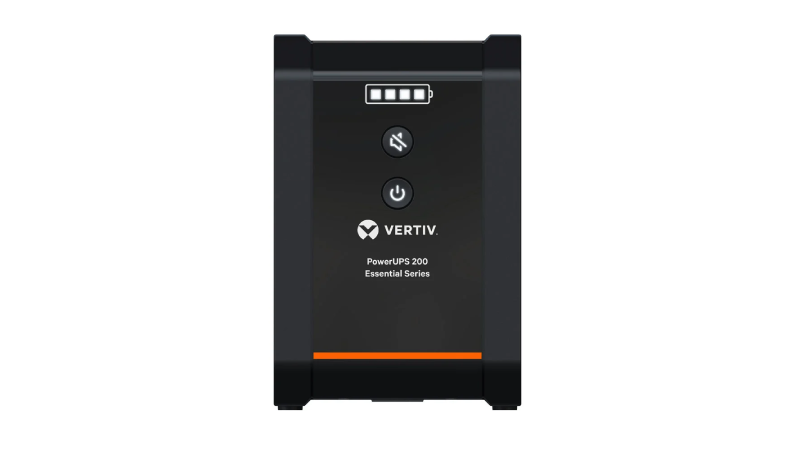
Maximizing the lifespan of your UPS battery requires awareness of common mistakes and proactive maintenance. From proper placement and regular inspections to timely battery replacement, small actions can make a big difference in long-term performance and reliability. The Vertiv™ PowerUPS 200 is designed to help you stay ahead of common battery issues with features like user-replaceable batteries, runtime LED indicators, and automatic voltage regulation (AVR). It delivers reliable battery backup and surge protection in a compact form factor—ideal for personal electronics, retail POS systems, and small network environments.
Explore the Vertiv PowerUPS 200 and other products in our expanding line of desktop UPS systems.